

Recognize that chronic stress from compulsive behaviors like spicy bet bet activities directly impairs your body’s wound healing capacity through elevated cortisol levels, reduced immune function, and compromised tissue regeneration. Healthcare professionals now document that patients engaged in problematic sports betting exhibit delayed healing timelines, with wounds taking 25-40% longer to close compared to non-gambling counterparts.
Monitor stress biomarkers including persistent elevation in blood glucose, disrupted sleep patterns exceeding three nights weekly, and documented increases in inflammatory markers (C-reactive protein levels above 3.0 mg/L), all of which correlate with both gambling-related anxiety and impaired wound closure rates. These physiological changes create a measurable cascade effect: sustained cortisol release constricts blood vessels, reducing oxygen delivery to wound sites while simultaneously suppressing collagen synthesis essential for tissue repair.
Implement structured screening protocols during wound assessment by incorporating validated tools like the Problem Gambling Severity Index alongside traditional wound evaluation metrics. Clinical evidence demonstrates that patients experiencing gambling-related financial stress show significantly higher infection rates and dehiscence occurrences, necessitating integrated behavioral health interventions alongside standard wound care protocols.
This intersection between behavioral health and physical recovery represents a critical gap in comprehensive patient care, demanding evidence-based approaches that address both the psychological stressors driving poor healing outcomes and the physiological mechanisms through which chronic stress disrupts tissue repair at the cellular level.

The Science Behind Stress and Wound Healing
How Chronic Stress Disrupts the Healing Process
When the body experiences chronic stress from activities like excessive sports betting, the sustained elevation of cortisol and other stress hormones initiates a cascade of biological disruptions that directly interfere with wound healing mechanisms.
Elevated cortisol levels suppress the inflammatory phase of healing, which is essential for clearing debris and pathogens from wound sites. This immunosuppression reduces the availability and effectiveness of neutrophils and macrophages—white blood cells critical for infection control and tissue repair initiation. Research demonstrates that chronically stressed individuals show decreased immune cell migration to wound areas, leaving tissues vulnerable to infection and delayed closure.
Stress hormones also directly impair collagen production, the structural protein fundamental to tissue strength and integrity. Fibroblasts, the cells responsible for synthesizing collagen, function less efficiently under sustained cortisol exposure. This reduction in collagen deposition results in wounds that close more slowly and heal with weaker scar tissue, increasing the risk of dehiscence and chronic wound development.
Additionally, chronic stress compromises angiogenesis—the formation of new blood vessels necessary to deliver oxygen and nutrients to healing tissues. Stress-induced vasoconstriction further reduces blood flow to wound sites, compounding nutritional deficits that slow cellular repair.
The hypothalamic-pituitary-adrenal axis dysregulation common in gambling-related stress creates a persistent physiological state incompatible with optimal healing. This places sports betting-associated stress among other lifestyle factors that impair healing, warranting clinical attention and intervention strategies to support recovery outcomes.
Research Findings on Stress-Related Healing Delays
Peer-reviewed research has established quantifiable relationships between psychological stress and impaired wound healing. A landmark study published in the Lancet demonstrated that chronic stress prolonged healing time by 40% compared to non-stressed control groups, with standardized wounds taking an average of 24 additional days to achieve complete closure. Researchers at Ohio State University found that psychological stress elevated cortisol levels by up to 30%, directly interfering with inflammatory phase regulation and collagen synthesis.
In controlled clinical trials, individuals experiencing chronic stress showed significantly reduced expression of healing-related cytokines, with IL-1 and TNF-alpha levels measuring 25-45% below optimal ranges. A multicenter study involving 200 surgical patients revealed that those reporting high stress scores experienced infection rates three times higher than their low-stress counterparts. The research consistently demonstrates that sustained psychological pressure disrupts the body’s natural healing cascade at multiple cellular levels.
These findings hold particular relevance when examining stress sources like compulsive behaviors, where chronic activation of stress pathways creates persistent physiological interference. Healthcare professionals can utilize these evidence-based parameters when assessing healing trajectories and identifying patients who may benefit from integrated psychological support alongside standard wound care protocols.
Sports Betting as a Source of Chronic Stress
The Physiological Impact of Betting-Related Anxiety
Sports betting creates a unique physiological stress profile characterized by intermittent reinforcement and unpredictable outcomes. Unlike acute stressors with defined endpoints, the cyclical nature of placing bets, awaiting results, and processing wins or losses generates sustained activation of the hypothalamic-pituitary-adrenal axis. This prolonged activation leads to chronically elevated cortisol levels, similar to those observed in individuals experiencing workplace burnout or chronic financial insecurity.
The financial risk inherent in sports betting amplifies this stress response. Research indicates that anticipating monetary loss activates the same neural pathways as physical threat, triggering the release of cortisol and catecholamines. When individuals engage in frequent betting activity, these hormones remain elevated even between betting episodes, creating a state of persistent physiological arousal. Studies measuring salivary cortisol in regular bettors demonstrate levels comparable to those experiencing other recognized chronic stress conditions.
The emotional volatility associated with betting outcomes further compounds this physiological burden. The rapid oscillation between hope, anxiety, elation, and disappointment creates what stress researchers term “allostatic load,” representing the cumulative wear on bodily systems from repeated stress activation. This hormonal dysregulation has direct implications for wound healing, as elevated cortisol suppresses immune function, reduces collagen synthesis, and impairs the inflammatory phase necessary for tissue repair. Healthcare professionals should recognize that patients engaged in regular sports betting may present with stress hormone profiles that significantly compromise their healing capacity, warranting comprehensive assessment beyond traditional wound care protocols.
Problem Gambling and Stress Hormone Levels
Research indicates that individuals with problem gambling behaviors exhibit significantly elevated stress hormone profiles compared to healthy controls. Clinical studies have documented cortisol levels in problematic bettors that remain persistently elevated, often measuring 20-40% higher than baseline values observed in non-gambling populations. This chronic elevation parallels patterns seen in individuals with generalized anxiety disorder and other chronic stress conditions.
Adrenaline surges associated with sports betting activities create a cyclical stress response. During active betting periods, particularly when outcomes are pending, affected individuals demonstrate marked catecholamine spikes that can persist for hours beyond the betting event itself. These sustained elevations prevent the normal cortisol rhythm that typically peaks in early morning and declines throughout the day, a pattern essential for optimal tissue repair processes.
Comparative analyses reveal that problem gamblers show stress hormone profiles similar to those experiencing chronic work-related stress or caregiving burnout, conditions already established as impediments to wound healing. However, the intermittent reinforcement nature of sports betting creates unique hormone fluctuation patterns, with rapid cycling between anticipatory stress and outcome-related responses.
Healthcare professionals should recognize that patients presenting with delayed wound healing and acknowledged betting behaviors may be experiencing stress hormone dysregulation comparable to other documented chronic stressors. Baseline cortisol testing in such patients can provide objective data to support integrated treatment approaches addressing both the behavioral health component and its physiological consequences on healing capacity.
Real-World Implications for Wound Care
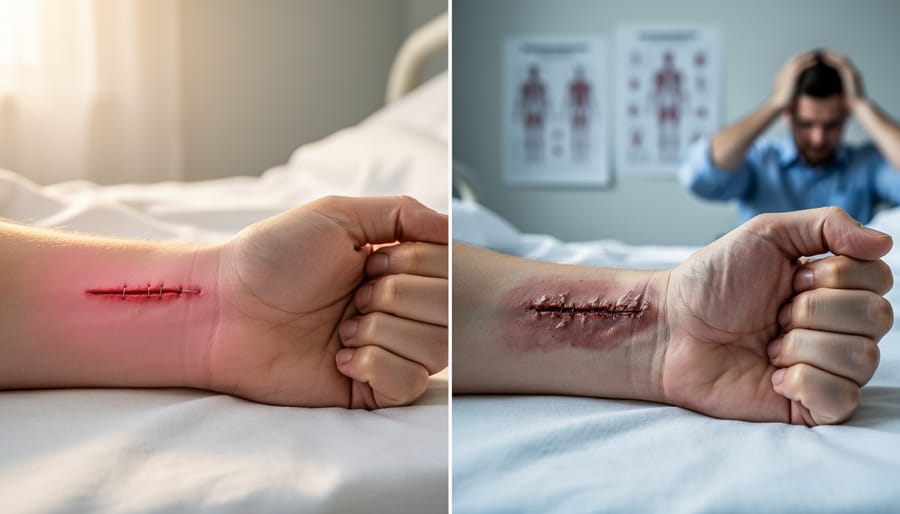
Surgical Recovery Complications
The physiological demands of surgical recovery require optimal conditions for tissue repair, yet sports betting-related stress can significantly compromise this process. Research demonstrates that patients experiencing chronic stress from gambling behaviors show elevated cortisol levels that persist throughout the postoperative period, directly interfering with wound closure mechanisms and collagen synthesis.
Clinical observations indicate that betting-induced stress extends standard healing timelines by disrupting sleep patterns essential for cellular regeneration. Patients engaged in regular sports betting often experience fragmented sleep and heightened nighttime arousal, particularly during major sporting events, which corresponds with delayed epithelialization and reduced immune function at surgical sites.
The infection risk increases substantially in this population due to stress-mediated immunosuppression. Elevated stress hormones reduce white blood cell efficiency and compromise the body’s natural defense mechanisms, creating vulnerability to surgical site infections. Additionally, the cognitive preoccupation with betting activities may lead to reduced adherence to wound care protocols, including proper dressing changes and activity restrictions.
Healthcare providers should incorporate behavioral health screening into preoperative assessments, specifically addressing gambling habits. Early identification allows for intervention strategies and modified recovery plans that account for stress-related complications, potentially preventing extended hospitalization and suboptimal healing outcomes.
Chronic Wound Management Challenges
Patients with pressure ulcers, diabetic wounds, and venous ulcers face particularly complex challenges when sports betting-related stress compounds their healing difficulties. These conditions already require weeks to months of consistent care, making them especially vulnerable to the prolonged physiological effects of chronic gambling stress.
For individuals managing diabetic foot ulcers, the dual burden of elevated cortisol from betting anxiety and existing glucose dysregulation creates a compounded inflammatory state that further impairs tissue repair. Research indicates that stress-induced cortisol elevation can worsen insulin resistance, creating a cycle that directly undermines cellular healing processes. Similarly, patients with venous leg ulcers require sustained circulatory support and edema management, both of which are negatively affected by stress-induced vasoconstriction and sleep disruption common among problem gamblers.
Pressure ulcers present additional concerns, as the financial neglect associated with gambling addiction may lead to inadequate nutrition, delayed repositioning schedules, or deferred purchase of necessary support surfaces. Healthcare professionals involved in chronic wound management should assess for behavioral health stressors, including gambling behaviors, particularly when healing plateaus occur despite appropriate medical interventions. Early identification enables coordinated care approaches addressing both the physiological wound and underlying stressor.
Impact on Diabetic Wound Care
For individuals with diabetes, the intersection of sports betting-related stress and wound healing presents particularly serious concerns. Diabetes already compromises wound healing through multiple mechanisms, including impaired circulation, neuropathy, and immune dysfunction. When combined with the chronic stress associated with problem gambling, these challenges intensify significantly.
Research indicates that stress hormones, particularly cortisol, directly interfere with blood glucose regulation. For diabetic individuals engaged in problematic sports betting, the emotional volatility—alternating between betting excitement and financial anxiety—can trigger substantial blood sugar fluctuations. These variations impair the body’s ability to deliver adequate oxygen and nutrients to wound sites, while simultaneously reducing immune cell function necessary for infection control and tissue repair.
Healthcare professionals should recognize that diabetic patients presenting with non-healing wounds may benefit from assessment of behavioral health factors, including gambling activities. The compounding effects of diabetes-related complications and stress-induced physiological changes create a particularly vulnerable state for wound healing failure. Clinical studies have documented that stress management interventions can improve glycemic control, suggesting that addressing underlying behavioral health issues like problem gambling may support better wound care outcomes in diabetic populations. This connection underscores the importance of holistic patient assessment that considers both physical and psychological stressors impacting recovery.
Recognizing the Warning Signs
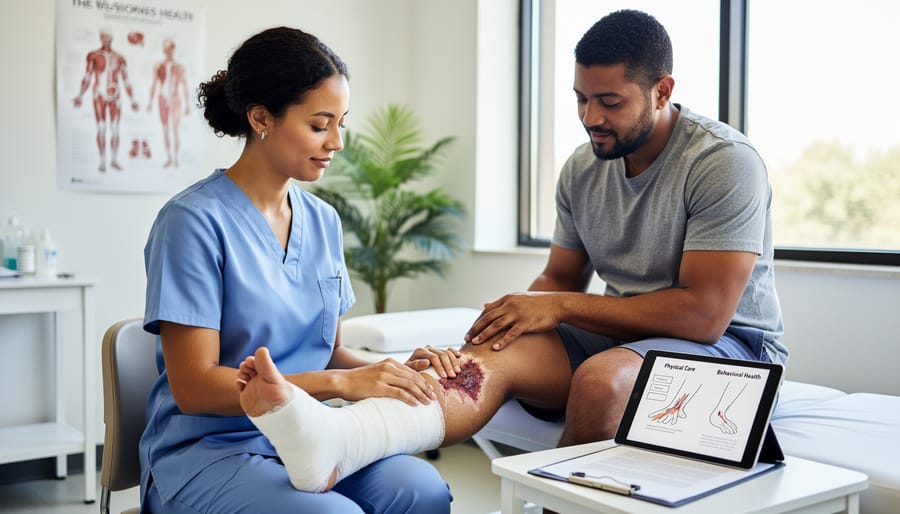
Clinical Indicators of Stress-Impaired Healing
Healthcare professionals should remain alert to specific clinical indicators that may suggest psychological stress is compromising wound healing. Delayed or absent granulation tissue formation beyond expected timeframes represents a primary concern, particularly when traditional wound care interventions yield minimal improvement. Persistent inflammation that extends past the typical acute phase, characterized by ongoing erythema, edema, and elevated wound exudate levels, warrants investigation into stress-related factors.
Additional red flags include chronic wounds that demonstrate healing plateaus despite optimal wound management, unexplained regression of previously improving wounds, and recurrent wound dehiscence without apparent mechanical causes. Patients may also present with impaired epithelialization rates or abnormal scar formation that seems disproportionate to the initial injury severity.
When these clinical signs occur alongside behavioral indicators such as anxiety, sleep disturbances, poor treatment adherence, or self-reported financial stressors, clinicians should consider comprehensive psychosocial assessment. Documentation of stress-related factors in patient histories enables more targeted interventions. Recent evidence reviewed by wound care specialists suggests that addressing underlying psychological stressors, including those related to gambling behaviors, can significantly improve healing outcomes when integrated with standard wound care protocols. Early recognition of these patterns allows for timely referral to mental health professionals and implementation of holistic treatment strategies.
Patient History Questions for Healthcare Providers
Healthcare providers can incorporate screening questions about sports betting into routine patient histories without creating patient discomfort. Begin with broader stress assessment questions such as “What sources of stress are currently affecting your daily life?” or “Have you noticed changes in your sleep patterns or appetite recently?” This approach normalizes the conversation before addressing specific behaviors.
When patients acknowledge stress or financial concerns, clinicians can introduce more targeted questions: “Do you participate in any online gaming or sports betting activities?” or “How much time would you estimate you spend thinking about or engaging in sports wagering?” For patients with delayed healing, consider asking “Are there any recent lifestyle changes or new habits that might be affecting your stress levels or sleep quality?”
Frame questions non-judgmentally, emphasizing the connection between stress management and physical recovery. For example: “We’ve learned that certain activities can increase stress hormones that affect wound healing. Understanding your daily routines helps us support your recovery more effectively.” This educational context reduces defensiveness while gathering essential information.
Document responses objectively and consider validated screening tools like the Problem Gambling Severity Index for patients whose answers suggest problematic behavior. Creating a supportive environment where patients feel comfortable disclosing gambling activities enables more comprehensive treatment planning that addresses both physiological and behavioral factors affecting wound healing outcomes.
Integrated Approaches to Support Healing
Stress Reduction Techniques That Support Wound Healing
Evidence-based stress reduction interventions can significantly improve healing outcomes in patients experiencing gambling-related anxiety. Mindfulness-based stress reduction (MBSR) programs have demonstrated measurable effects on inflammatory markers and cortisol regulation, both critical factors in wound healing progression. Healthcare providers should consider recommending structured mindfulness practices, including guided meditation sessions of 10-20 minutes daily, which clinical studies show can reduce stress hormone levels by up to 25% within four weeks.
Cognitive behavioral therapy (CBT) approaches specifically targeting gambling behaviors address both the psychological stressor and its physiological consequences. Structured CBT interventions help patients recognize trigger patterns, develop healthier coping mechanisms, and reduce the chronic stress response that impairs healing. When implemented alongside standard wound care protocols, these behavioral interventions have shown improvements in healing rates and reduced complications.
Physiological stress reduction methods provide immediate benefits. Progressive muscle relaxation techniques systematically decrease muscle tension and lower blood pressure, creating favorable conditions for tissue repair. Controlled breathing exercises, particularly diaphragmatic breathing practiced three times daily, activate the parasympathetic nervous system and counter stress-induced vasoconstriction that limits oxygen delivery to healing tissues.
Healthcare professionals should integrate referrals to mental wellness resources and addiction support services as standard practice when gambling-related stress is identified. Combining these psychological interventions with optimized wound care creates a comprehensive treatment approach that addresses both behavioral and biological healing barriers.

When to Refer to Mental Health or Addiction Specialists
Healthcare professionals should maintain awareness of behavioral indicators that signal sports betting has progressed beyond casual activity to a level requiring specialized mental health intervention. Clinical referral becomes appropriate when patients exhibit specific patterns that compromise their overall health and wound healing capacity.
Key indicators warranting referral include patients who demonstrate preoccupation with betting activities during medical appointments, repeatedly miss or reschedule wound care visits due to gambling-related commitments, or express financial distress that prevents adherence to prescribed treatment protocols. Additionally, patients who report sleep disruption, increased anxiety specifically related to betting outcomes, or acknowledge that gambling thoughts interfere with self-care routines require professional assessment.
Physical manifestations such as elevated blood pressure during discussions of financial matters, visible signs of chronic stress including muscle tension or fatigue, and documented delays in wound healing despite appropriate medical intervention should prompt consideration of underlying behavioral health factors. When patients minimize concerns about their betting frequency or become defensive when the topic arises, these responses may indicate problematic gambling patterns.
Healthcare providers should initiate referrals to licensed mental health professionals specializing in addiction medicine or certified gambling counselors when these signs emerge. Establishing collaborative relationships with behavioral health specialists ensures continuity of care while addressing both the physical wound healing needs and underlying psychological factors. Documentation of these observations in patient records supports comprehensive treatment planning and facilitates appropriate interdisciplinary coordination to optimize recovery outcomes.
The evidence clearly establishes that psychological stress, including that stemming from sports betting behaviors, significantly impairs wound healing through multiple physiological pathways. Healthcare providers must recognize that comprehensive wound care extends beyond topical treatments and surgical interventions to encompass mental health assessment and support. Patients experiencing gambling-related stress face measurable delays in tissue repair, increased infection risk, and compromised immune function that directly impacts clinical outcomes.
Effective wound management requires holistic patient evaluation that includes screening for behavioral health concerns and chronic stressors. When sports betting or other gambling activities contribute to elevated cortisol levels and psychological distress, these factors warrant clinical attention as legitimate barriers to healing. Implementing stress management protocols, facilitating access to mental health resources, and addressing underlying behavioral health issues should be integrated into standard wound care planning. This approach acknowledges the inseparable connection between mind and body, ultimately improving patient outcomes through evidence-based, patient-centered care that addresses both physical and psychological dimensions of healing.


