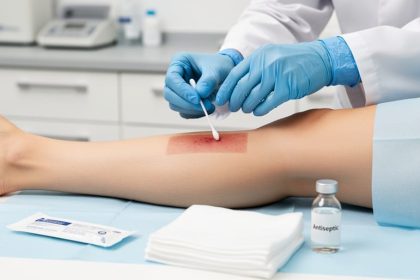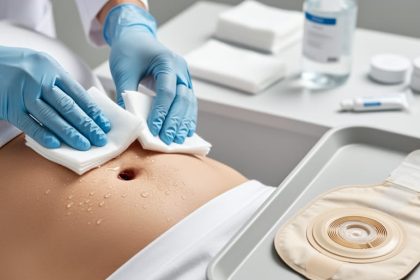
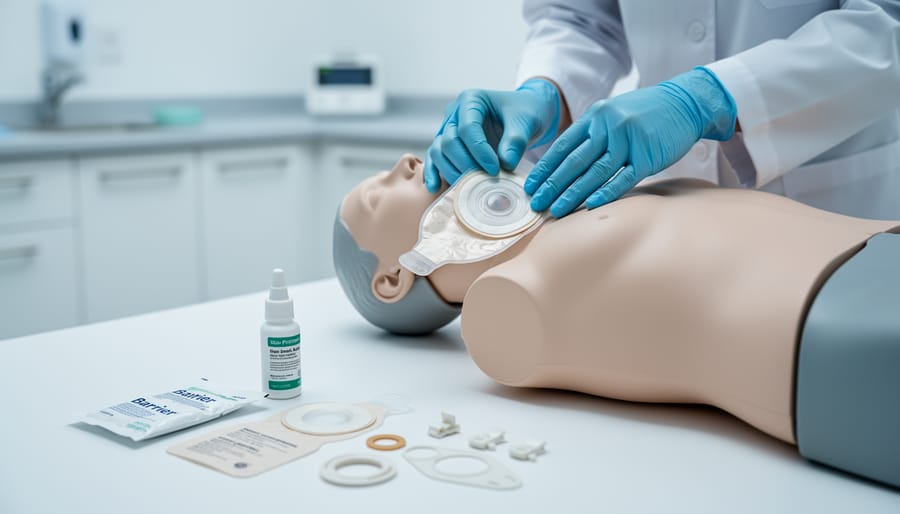
Ostomy is the umbrella term for a surgically created opening between an internal organ and the body surface, while colostomy and ileostomy are specific types defined by which part of the bowel is brought through the abdominal wall. A colostomy involves the colon and typically produces formed or semi-formed stool, whereas an ileostomy connects the ileum and produces liquid, enzyme-rich output that poses greater risk to peristomal skin integrity. Understanding these distinctions matters critically for healthcare professionals managing wound care complications, patients preparing for surgery, and caregivers responsible for daily ostomy maintenance.
The confusion surrounding these terms stems from their interchangeable use in casual conversation, yet the anatomical and functional differences directly impact care protocols, pouching systems, and skin protection strategies. A colostomy placed in the descending or sigmoid colon may only require barrier protection, while an ileostomy demands aggressive peristomal skin barriers due to the caustic nature of small bowel effluent. These aren’t merely semantic differences but clinical considerations that influence complication rates, quality of life, and the frequency of wound care specialist intervention.
This comparison clarifies the terminology, breaks down the practical differences in output characteristics and management requirements, and provides guidance on which procedure typically serves specific medical conditions. Whether you’re a clinician counseling patients preoperatively, a wound care specialist addressing peristomal skin breakdown, or a patient navigating life after bowel surgery, the following analysis delivers evidence-based distinctions reviewed by ostomy care professionals and updated for 2026 clinical practice.
At-a-Glance: Ostomy, Colostomy, and Ileostomy Comparison
Ostomy serves as the umbrella term for any surgical procedure creating an abdominal opening for waste elimination, while colostomy and ileostomy represent the two most common specific procedures within this category. The fundamental distinction lies in which portion of the digestive system forms the stoma and the resulting characteristics that shape daily management and wound care protocols.
| Term | Anatomical Location | Output Consistency | Primary Wound Care Focus |
|---|---|---|---|
| Ostomy | General term (any digestive system location) | Varies by specific type | Peristomal skin integrity and barrier protection |
| Colostomy | Large intestine (colon) | Semi-formed to formed stool | Managing moisture and preventing maceration |
| Ileostomy | Small intestine (ileum) | Liquid to paste-like effluent | Protecting skin from high-output enzymatic damage |
Understanding these distinctions proves essential for healthcare professionals developing care plans and for patients learning to manage their specific ostomy type. Colostomy output typically resembles regular stool because waste has traveled through most of the colon, allowing water absorption. Ileostomy output remains more liquid since it bypasses the colon entirely, creating higher enzyme concentrations that demand aggressive peristomal skin protection strategies.
Understanding the Terminology: What Each Option Is
What Is an Ostomy?
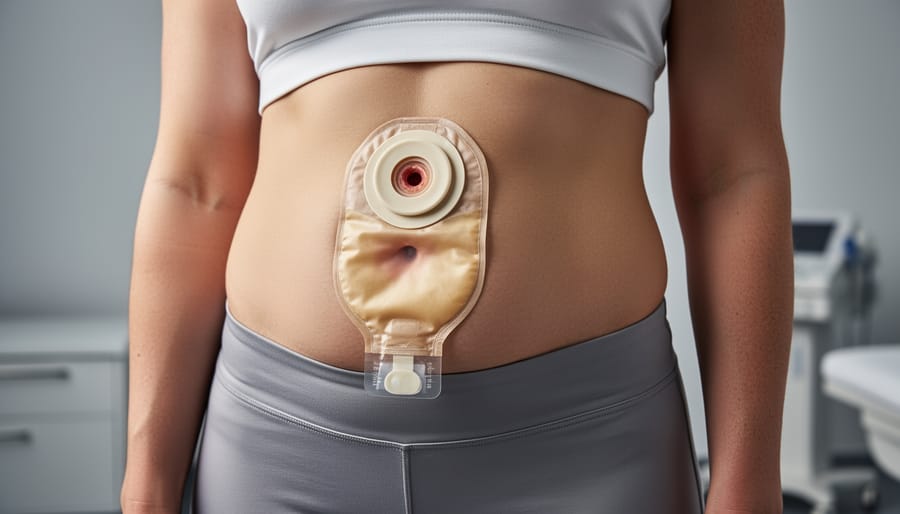
An ostomy is a surgical procedure that creates an opening, called a stoma, in the abdomen to divert bodily waste when normal elimination through the rectum is not possible or advisable. The term “ostomy” serves as an umbrella category encompassing various procedures that share this fundamental characteristic: they all create an alternative pathway for waste to exit the body.
The stoma itself appears as a red or pink moist tissue opening on the abdominal surface where a portion of the intestine is brought through the abdominal wall. Unlike a wound, a healthy stoma has no nerve endings and does not cause pain, though the surrounding peristomal skin requires careful attention to prevent breakdown from exposure to digestive output.
Surgeons perform ostomy procedures for several critical medical reasons. Colorectal cancer remains one of the most common indications, particularly when tumors obstruct or necessitate removal of portions of the bowel. Inflammatory bowel diseases such as Crohn’s disease and ulcerative colitis may require ostomy creation when medication and conservative treatments fail to control symptoms or complications arise. Traumatic injuries to the abdomen, congenital abnormalities present at birth, bowel perforation, and radiation damage to intestinal tissue also prompt ostomy surgery.
The specific type of ostomy performed depends on which section of the digestive tract is involved and the underlying medical condition requiring intervention. This surgical decision determines the stoma location, waste characteristics, and subsequent wound care requirements, distinctions that prove crucial for effective long-term management.
What Is a Colostomy?
A colostomy is a specific type of ostomy that involves surgically creating an opening in the colon (large intestine) and bringing the end through the abdominal wall to form a stoma. Unlike the broader term “ostomy,” which describes any abdominal opening for waste elimination, a colostomy specifically reroutes intestinal contents through the large bowel.
The type of colostomy depends on which section of the colon is used. An ascending colostomy uses the right side of the colon and produces semi-liquid stool since waste hasn’t traveled far through the digestive tract. A transverse colostomy, positioned across the upper abdomen, typically yields soft, unformed stool. Descending and sigmoid colostomies, located on the left side, produce more formed stool because waste has passed through most of the colon where water absorption occurs.
Surgeons create colostomies for several medical reasons. Colorectal cancer remains the most common indication, particularly when tumor removal requires bypassing the affected colon segment. Diverticulitis with perforation or abscess formation may necessitate temporary colostomy to allow healing. Severe trauma to the abdomen, radiation damage to bowel tissue, and complications from inflammatory conditions also warrant this procedure.
The location and type of colostomy significantly affect output consistency, which directly influences pouching requirements and peristomal skin protection strategies.
What Is an Ileostomy?
An ileostomy is a specific type of ostomy surgery that creates an opening in the abdominal wall by bringing a portion of the ileum, the final segment of the small intestine, through the skin to form a stoma. Unlike a colostomy that diverts waste from the colon, an ileostomy bypasses the entire large intestine, routing digestive output directly from the small bowel.
The stoma is typically located on the lower right side of the abdomen and appears pink, moist, and slightly raised above the skin surface. Because the ileum produces output that hasn’t been processed by the colon for water absorption, the effluent from an ileostomy is consistently liquid to semi-liquid and contains active digestive enzymes. This enzymatic activity makes peristomal skin protection particularly critical, as the caustic nature of small bowel output can rapidly damage surrounding tissue if appliances leak or fit improperly.
Ileostomies are commonly performed for inflammatory bowel diseases like ulcerative colitis or Crohn’s disease when medical management fails, familial adenomatous polyposis requiring total colectomy, bowel perforation, or severe intestinal trauma. The procedure may be temporary to allow healing of downstream bowel segments, or permanent when the colon and rectum are removed entirely. Understanding this distinction helps wound care professionals anticipate the specific care challenges ileostomy patients face.
Key Differences: Dimension-by-Dimension Comparison
Anatomical Location and Surgical Approach
The fundamental distinction between colostomy and ileostomy lies in the segment of the digestive tract brought to the abdominal surface and the resulting stoma placement. A colostomy creates an opening from the large intestine (colon), with the stoma typically positioned on the left side of the abdomen when involving the descending or sigmoid colon. Transverse colostomies appear higher and more centrally across the upper abdomen, while ascending colostomies (less common) sit on the right side.
An ileostomy, by contrast, involves the ileum, the final section of the small intestine, and generally places the stoma on the lower right quadrant of the abdomen. The ileal tissue brought through the abdominal wall protrudes slightly above skin level (typically 1-2 cm), creating what surgeons call a “spouted” or “budded” stoma. This design helps direct liquid output directly into the pouching system, protecting the surrounding skin.
Colostomies often sit flush with or slightly above the skin surface, particularly when involving the descending colon. The stoma’s final position depends on the patient’s body contours, existing scars, skin folds, and clothing lines, factors the surgical team assesses preoperatively to optimize appliance adherence and minimize peristomal complications.
These anatomical differences directly impact wound healing protocols. The right lower quadrant (ileostomy site) experiences different mechanical stress during movement than the left-sided colostomy location. Wound care specialists must account for these biomechanical factors when selecting barrier products and assessing peristomal skin integrity during the critical postoperative healing phase.
Output Characteristics and Consistency
The most significant practical difference between colostomy and ileostomy lies in what comes out of the stoma and how often. This distinction fundamentally shapes daily management and wound care protocols.
Ileostomy output is liquid to semi-liquid because it bypasses most of the colon, where water absorption normally occurs. Patients typically empty their pouches five to eight times daily, with output volume ranging from 500 to 1,500 milliliters in 24 hours. The consistency resembles thick soup or porridge and contains active digestive enzymes that aggressively irritate peristomal skin. This enzymatic activity creates urgent wound care concerns, as even brief contact between output and skin can cause chemical burns and tissue breakdown.
Colostomy output varies by stoma location along the colon. Ascending colostomy produces semi-formed to liquid stool similar to ileostomy, while descending and sigmoid colostomy output is typically formed or semi-formed, resembling normal bowel movements. Frequency ranges from one to three times daily for distal colostomies. Because the stool has passed through more of the colon, it contains fewer active enzymes and poses lower skin irritation risk.
These output characteristics directly dictate appliance selection. Ileostomies require drainable pouches with superior skin barriers and frequent monitoring, while some colostomy patients can use closed pouches or irrigation techniques. The alkaline, enzyme-rich ileostomy output demands more aggressive peristomal skin protection with specialized barriers and sealants compared to the generally less caustic colostomy effluent. Understanding these differences allows wound care specialists to prevent complications before they develop.
Appliance and Pouching Systems
Colostomy and ileostomy require distinct pouching approaches because their output characteristics differ significantly. Colostomy output tends to be thicker and more formed, particularly with descending or sigmoid colostomies, while ileostomy output remains liquid and enzymatically active throughout the day.
For colostomy, patients often use closed-end pouches that are changed one to two times daily, though drainable pouches work equally well depending on output consistency and personal preference. Some individuals with predictable sigmoid colostomies achieve continence through irrigation, eliminating the need for constant pouching. Ileostomy patients, in contrast, almost exclusively require drainable pouches with secure bottom closures because the continuous liquid output necessitates emptying five to eight times daily rather than full system changes.
Both ostomy types can utilize one-piece or two-piece systems. One-piece systems integrate the skin barrier and pouch, offering a lower profile and simplified application. Two-piece systems feature a separate wafer (skin barrier) that remains on the skin for several days while the pouch attaches and detaches via a coupling mechanism, reducing peristomal skin trauma from frequent adhesive removal. The choice depends on dexterity, lifestyle, stoma characteristics, and skin sensitivity.
Wound care professionals assess proper fit by evaluating several critical factors:
- Seal integrity around the stoma to prevent undermining and leakage onto peristomal skin
- Expected wear time based on output type and skin barrier material composition
- Skin barrier materials, including standard adhesives, convexity options, and moldable seals for irregular stoma shapes
- Output management features such as filters for gas release, anti-reflux valves, and viewing windows
Proper measurement of the stoma is essential, as barriers cut too large expose skin to caustic effluent, while overly tight openings can cause stoma trauma. Most manufacturers provide sizing guides, but stoma dimensions change during the first six to eight weeks post-surgery as swelling resolves, requiring frequent reassessment and adjustment during this healing period.
Peristomal Skin and Wound Care Considerations
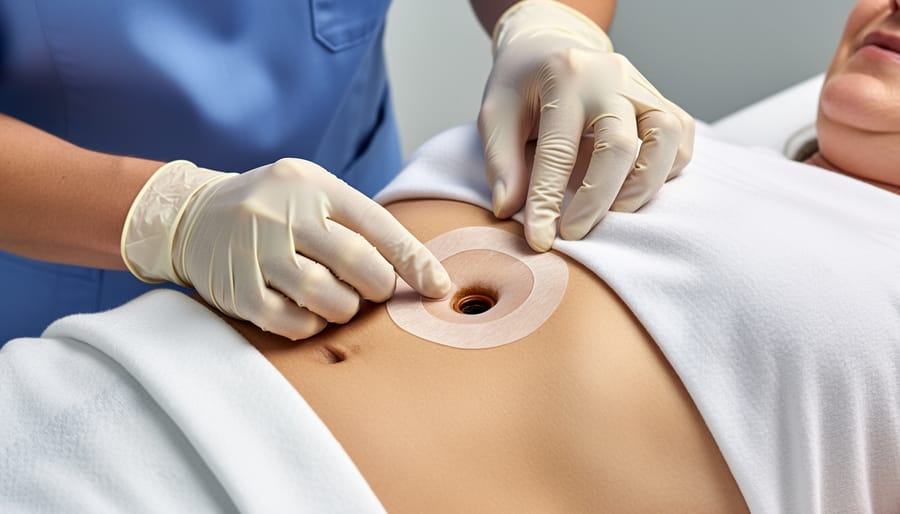
Peristomal skin integrity presents distinct challenges depending on ostomy type, with ileostomy output posing significantly greater risks than colostomy output. The alkaline pH and high enzyme concentration of ileostomy effluent create aggressive chemical irritation when contact occurs with surrounding skin. These digestive enzymes break down skin proteins rapidly, often causing erosion within hours of exposure. Colostomy output, being more formed and closer to normal stool consistency, presents lower enzymatic activity and causes primarily mechanical irritation or moisture-related maceration rather than chemical burns.
Moisture management strategies differ substantially between the two procedures. Ileostomy patients require more frequent pouch emptying due to liquid output, increasing the risk of seal compromise and leakage. Even minor leaks demand immediate attention, as the corrosive nature of small bowel effluent quickly damages tissue. Colostomy output allows longer wear times and creates less urgency when minor seal issues develop, though chronic moisture exposure still compromises skin barrier function over time.
Prevention protocols emphasize proper pouching system selection and meticulous application technique. Skin barrier wafers must match stoma size precisely, leaving no exposed peristomal tissue vulnerable to output contact. Paste, strips, or barrier rings fill irregular contours around the stoma base. For ileostomy patients especially, convex pouching systems may improve adherence on challenging abdominal topography. Regular peristomal skin assessment identifies early irritation before significant breakdown occurs.
Wound care specialists recommend barrier protection products containing ingredients like dimethicone or zinc oxide for vulnerable areas. These create a protective film that repels moisture and enzymes while allowing skin healing. When breakdown occurs despite prevention efforts, treatment requires eliminating the source of exposure first, then applying appropriate topical therapy while maintaining healthy peristomal skin through adapted pouching techniques.
Temporary vs. Permanent Status
Both colostomies and ileostomies can be temporary or permanent, depending on the underlying medical condition and treatment plan. Temporary ostomies are often created to allow diseased or injured bowel segments to heal, typically reversible within three to six months once inflammation resolves or surgical repairs complete. Permanent ostomies become necessary when the distal bowel or rectum must be removed entirely due to cancer, severe inflammatory disease, or irreparable damage.
Temporary ostomies present unique wound care challenges since patients manage two surgical sites: the stoma and the closed distal bowel segment. Peristomal skin protection remains critical even in temporary situations, as irritation and breakdown can complicate reversal surgery timing. Wound care specialists help patients understand that temporary status does not mean simplified care, proper appliance selection and skin barrier management follow the same protocols as permanent ostomies.
Permanent ostomies require long-term care planning, including education on evolving stoma size during the first six to eight weeks post-surgery as swelling decreases. This maturation period affects appliance fit and wound healing around the stoma base. Patients with permanent ostomies benefit from establishing relationships with certified wound, ostomy, and continence nurses who provide ongoing assessment as body changes, activity levels, and skin conditions evolve over years.
Ostomy Care Within the Wound Care Continuum
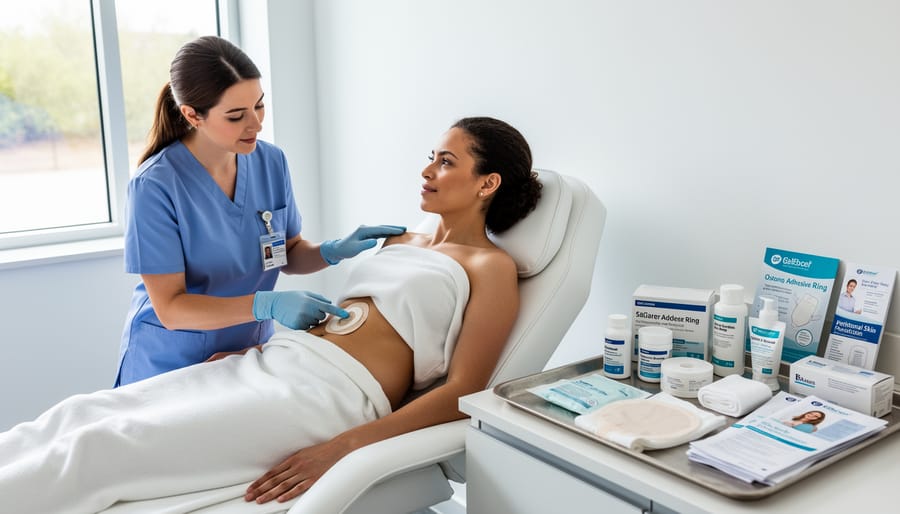
Ostomy management represents a specialized subset of wound care that requires dedicated expertise in peristomal skin assessment, barrier selection, and complication prevention. The creation of a stoma initiates a permanent or temporary alteration in skin integrity and function that places the peristomal area at continuous risk for moisture exposure, chemical irritation, and mechanical trauma, the same wound development mechanisms addressed throughout comprehensive wound care practice.
Certified wound, ostomy, and continence nurses (WOCN) bridge the gap between general wound management and specialized ostomy care, applying evidence-based wound healing principles to prevent and treat peristomal complications. These specialists assess peristomal skin using standardized tools, identify early signs of breakdown, and implement interventions that protect skin integrity while managing the unique challenges of constant effluent exposure. The assessment framework mirrors general wound evaluation: tissue type, moisture balance, infection risk, and factors impeding healing.
The principles governing peristomal skin protection directly parallel those in other wound care contexts. Moisture management, critical in preventing pressure injuries and surgical site complications, becomes paramount in ostomy care where liquid or semi-liquid effluent constantly threatens skin integrity. pH management, essential in chronic wound healing, takes on heightened importance with ileostomy output that carries digestive enzymes capable of rapidly degrading healthy skin. Barrier selection for ostomy appliances employs the same skin-friendly adhesive technologies and moisture-vapor permeable materials used in advanced wound dressings.
Wound care leadership increasingly recognizes ostomy management as integral to comprehensive wound programs rather than a separate specialty. Many healthcare facilities incorporate ostomy care protocols within their wound care centers, enabling coordinated management when patients present with both peristomal complications and concurrent wounds. This integration facilitates evidence-based product selection, standardized assessment documentation, and quality improvement initiatives that span the full wound care continuum.
The overlap extends to treatment modalities. Topical wound care products, skin protectants, barrier powders, protective films, serve dual purposes in both traditional wound management and ostomy care. Negative pressure wound therapy techniques have been adapted for complex peristomal wounds. Nutritional assessment and optimization, fundamental to wound healing, directly impacts stoma function and peristomal skin integrity. This shared knowledge base allows wound care specialists to provide holistic care addressing all aspects of skin and tissue health.
Who Should Choose Which: Clinical Decision Factors
Medical Indications for Colostomy
A colostomy becomes necessary when disease, trauma, or treatment complications affect the colon’s ability to function safely. The surgical decision to create a colostomy rather than another ostomy type stems directly from the anatomical location of the problem.
Colorectal cancer represents the most common indication, particularly when tumors obstruct the bowel or require extensive resection. Surgeons create the stoma proximal to the tumor site, allowing fecal diversion while the affected segment heals or is removed. Temporary colostomies often protect surgical anastomoses (reconnection sites) during healing.
Diverticulitis complications, including perforation, abscess formation, or fistulas, frequently necessitate colostomy creation. Severe inflammation makes immediate bowel reconnection unsafe, requiring temporary fecal diversion until infection resolves and tissue quality improves.
Abdominal or pelvic trauma that damages the colon may require emergency colostomy to prevent peritonitis and allow surgical repair. Similarly, radiation therapy for pelvic cancers can cause severe proctitis or fistulas, making fecal diversion essential for healing.
Other indications include bowel obstruction from adhesions, volvulus (twisted bowel), ischemic colitis, or congenital abnormalities like Hirschsprung’s disease. The colon location is specifically chosen because the pathology involves this portion of the digestive tract, making proximal diversion through the colon the most logical surgical approach.
Medical Indications for Ileostomy
Ileostomy creation typically follows surgical removal of the entire colon and rectum, or situations where complete bowel rest is medically necessary. The ileum, the final segment of the small intestine, becomes the stoma site because it remains viable when downstream structures must be bypassed or removed.
Inflammatory bowel disease represents the most common indication. Ulcerative colitis patients may require total proctocolectomy (removal of colon and rectum) when medications fail to control symptoms or when precancerous changes develop. Crohn’s disease patients need ileostomy when extensive colonic involvement causes obstruction, perforation, or medically refractory disease. Unlike colostomy, which preserves some colonic tissue, ileostomy often accompanies complete colonic excision.
Familial adenomatous polyposis necessitates prophylactic colectomy due to near-certain cancer risk. Surgeons create permanent ileostomy or construct an internal pouch from ileal tissue (ileoanal anastomosis), depending on rectal involvement and patient factors.
Temporary ileostomies protect healing anastomoses after colorectal surgery, divert stool during pelvic radiation treatment, or rest the bowel following trauma or perforation. The ileum location allows complete diversion while preserving potential for future reconnection once healing occurs.
Ileostomy becomes necessary rather than colostomy when the surgical plan requires colonic removal or complete fecal diversion from the entire large intestine.
Patient Factors and Quality of Life Considerations
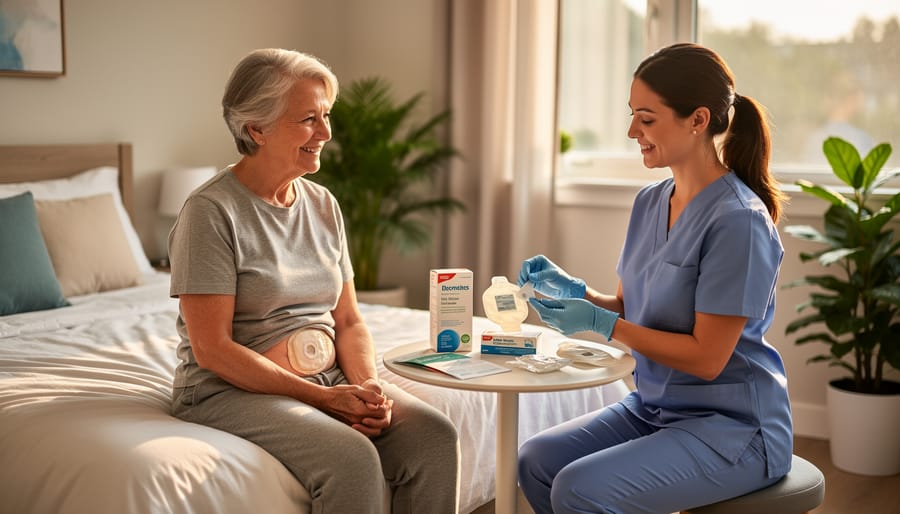
While the surgeon’s choice of colostomy or ileostomy is driven by medical necessity, patient-specific factors profoundly influence post-operative adaptation and long-term outcomes. Age and manual dexterity affect a patient’s ability to manage pouching systems independently, ileostomy appliances require more frequent changes and precise skin barrier application, which may challenge older adults with arthritis or vision impairment. Patients with active lifestyles often adapt well to either type once healed, though ileostomy output’s unpredictability requires closer attention to hydration and dietary triggers during travel or exercise.
Support systems matter considerably: patients living alone need simpler routines and may benefit from home health visits during the initial learning period. Research shows quality of life scores equalize between colostomy and ileostomy patients within six months when education is thorough, but those with inadequate pre-operative counseling report higher anxiety and skin complications. Certified wound, ostomy, and continence nurses tailor teaching to individual circumstances, demonstrating modified techniques for patients with limited mobility, identifying warning signs relevant to each ostomy type, and connecting patients with peer support resources that address both practical care skills and emotional adjustment.
Common Complications and Wound Care Interventions
Ostomy complications affecting peristomal skin and stoma integrity occur in 30-70% of patients within the first year post-surgery, making proactive wound care assessment essential. Ileostomy patients face higher complication rates than colostomy patients due to the enzymatic, liquid output that rapidly damages exposed skin.
Peristomal skin breakdown represents the most frequent complication across both ostomy types. Chemical dermatitis from enzymatic digestive output develops when pouches leak or fail to seal properly, creating painful, weeping erosions around the stoma base. Ileostomy output is particularly aggressive, breaking down skin within hours when barriers fail. Mechanical trauma from frequent appliance changes and adhesive removal compounds the damage, stripping the epidermal layer and creating raw, bleeding areas. Wound care specialists assess the extent of breakdown using validated tools like the Ostomy Skin Tool, then recommend appropriate barrier products (paste, powder, or moldable seals) to protect compromised tissue while healing occurs.
Leakage beneath pouching systems occurs when stomas change size post-operatively, when convexity needs adjustment, or when peristomal skin develops irregular contours. Persistent leakage leads to maceration, fungal overgrowth (candidiasis), and progressive skin erosion requiring immediate intervention.
Common wound-related ostomy complications include:
- Peristomal dermatitis from chemical irritation, mechanical trauma, or allergic contact to adhesives
- Mucocutaneous separation where the stoma detaches from the abdominal wall, creating a wound requiring specialized packing and protection
- Hypergranulation tissue forming at the stoma-skin junction, causing bleeding and appliance adherence failure
- Parastomal hernia creating pouching difficulties and increased leakage risk
- Folliculitis or abscess formation from infected hair follicles in the peristomal zone
Wound care interventions focus on restoring the peristomal environment. For dermatitis, treatment involves identifying the cause (irritant versus allergic), protecting exposed skin with barrier films or hydrocolloid dressings, and adjusting the pouching system to prevent recurrence. Hypergranulation responds to silver nitrate application or steroid-impregnated barrier products that reduce inflammation while maintaining appliance seal. Mucocutaneous separation requires gentle packing with hydrofiber or alginate dressings beneath a modified pouching system that accommodates the wound depth.
Stoma retraction pulls the stoma opening below skin level, pooling output against tissue and causing severe breakdown. Convex appliances or belt systems provide external pressure to encourage protrusion. Prolapse creates the opposite problem, with excessive stoma length making pouching difficult and risking vascular compromise.
Frequently Asked Questions
Which is easier to care for, a colostomy or an ileostomy?
Neither is inherently easier, but each presents distinct care challenges. Colostomy output tends to be more formed and predictable, requiring less frequent pouch changes and offering easier appliance management for some patients. However, ileostomy output is more liquid and continuous, demanding more vigilant peristomal skin irritation monitoring due to the enzymatic activity of small bowel contents. Patient dexterity, support system, and individual adaptation capacity matter more than the ostomy type itself. A certified wound, ostomy, and continence nurse can assess your specific situation and provide targeted strategies that make either type manageable.
The learning curve varies by individual rather than procedure type. Some patients find the higher output volume of an ileostomy challenging initially but appreciate the reduced odor compared to colostomy. Others prefer the less frequent emptying schedule a colostomy allows. Success depends on proper education, correctly fitted appliances, and establishing a routine that fits your lifestyle and physical capabilities.
Can someone have both a colostomy and an ileostomy?
Yes, though uncommon. Certain complex surgical scenarios require simultaneous stomas from different bowel segments, such as when extensive disease affects multiple intestinal areas or when staged reconstructive procedures necessitate temporary diversion at two levels. Each stoma requires separate pouching systems and individualized care protocols. Managing two ostomies increases the complexity of peristomal skin protection and demands meticulous attention to appliance placement to prevent interference between the sites.
How long does a new stoma wound take to heal?
The surgical site typically heals within six to eight weeks, though the stoma itself remains a permanent opening that does not close. During this initial healing period, the stoma size decreases and stabilizes, requiring periodic appliance refitting to maintain proper seal and prevent leakage.
What are warning signs of peristomal skin problems?
Redness extending beyond the immediate stoma edge, weeping or open areas, burning or pain around the stoma, recurrent leakage, visible skin breakdown, or persistent itching indicate complications requiring assessment. Early intervention prevents progression to severe erosion or infection.
When should you consult a wound care specialist for ostomy issues?
Seek specialized evaluation for persistent leakage despite appliance adjustments, any open wounds or skin breakdown around the stoma, signs of infection (increased warmth, purulent drainage, fever), changes in stoma appearance (retraction, prolapse, discoloration), or difficulty managing output. Certified WOCNs provide expert assessment and advanced interventions for complex situations.
Understanding how to fix irritation early prevents serious complications. The enzymatic damage from ileostomy output progresses rapidly once skin barrier integrity fails, while fungal infections can develop in the warm, moist environment under colostomy appliances. Prompt professional assessment allows targeted treatment before minor irritation becomes a complex wound requiring advanced care.
For suspected peristomal infections, proper wound culture technique guides antibiotic selection. Surface swabs often capture skin flora rather than causative organisms, so wound care specialists use methods that identify true pathogens. This precision matters because inappropriate antibiotics can worsen fungal overgrowth or fail to address resistant bacteria, prolonging healing time and patient discomfort.
Understanding that ostomy is the umbrella term encompassing both colostomy and ileostomy represents the foundation for effective care planning. These aren’t interchangeable procedures but distinct surgical interventions determined by anatomical location, each presenting unique output characteristics and peristomal wound care challenges. Colostomy patients typically manage formed stool from the colon, while ileostomy patients handle liquid output from the small intestine, requiring fundamentally different approaches to skin protection and appliance selection.
Successful ostomy management extends beyond basic pouching education. It demands specialized knowledge of enzymatic damage prevention, moisture control, barrier selection, and early complication recognition. Peristomal skin integrity directly impacts patient comfort, appliance security, and overall quality of life, making wound care expertise essential rather than optional.
Healthcare professionals, patients, and caregivers benefit significantly from consulting certified wound, ostomy, and continence nurses who integrate evidence-based wound care principles with ostomy-specific protocols. These specialists assess individual anatomical factors, identify emerging complications before they escalate, and develop customized care plans that address both immediate healing needs and long-term skin protection. Comprehensive ostomy care isn’t isolated from wound management, it’s a vital component of the continuum, requiring the same attention to tissue health, infection prevention, and therapeutic intervention that defines modern wound care practice.